
English| EUR
Suggested for you
More currencies
Choose a language
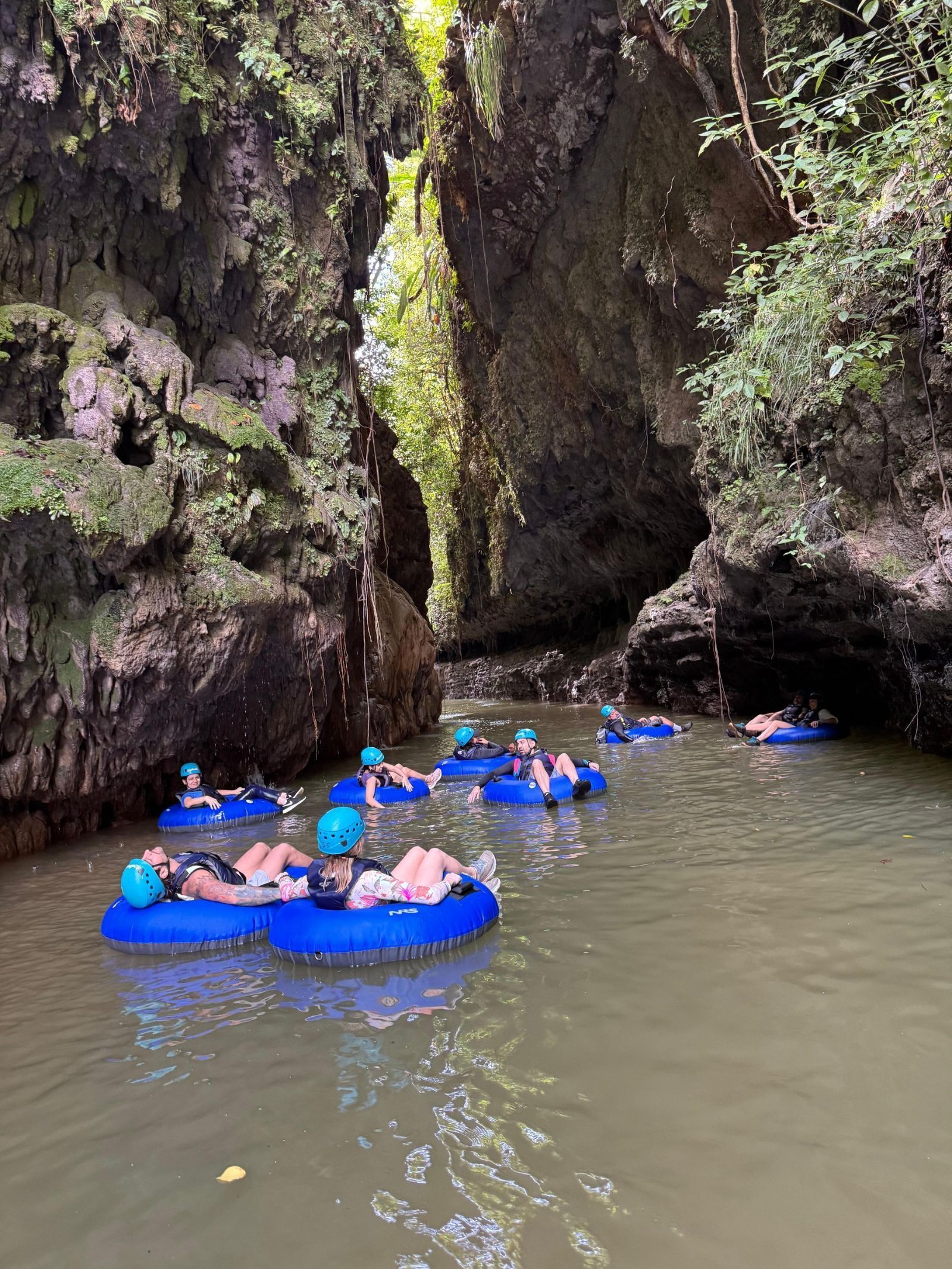
River tubing through Tanama's limestone caves demands clothing that performs in water, shade, and tropical heat. The right outfit protects against submerged rocks, keeps you warm in underground passages, and dries quickly between swim zones. This guide covers what to wear to river tubing and what to leave in the car.
Quick answer
Wear quick-dry swimwear or synthetic athletic clothing, secure water shoes with closed toes, and a rashguard or moisture-wicking shirt for sun and scrape protection. Avoid cotton, loose sandals, and anything you cannot afford to lose in the current. The Tanama River route alternates between open sunlight and cool cave passages, so layering a lightweight long-sleeve top helps regulate body temperature throughout the two-to-three-hour journey.
The Tanama River flows through a karst landscape where the current dictates every clothing choice. Water shoes anchor your footing on algae-slick limestone, and synthetic fabrics dry fast enough to prevent the clammy chill that sets in during shaded cave segments. Tubing attire for Tanama River starts with a swimsuit or moisture-wicking shorts as the base layer. A rashguard or synthetic athletic shirt shields shoulders from overhead rock formations and filters the intense midday sun during open-water stretches. Neoprene shorts add warmth for travelers sensitive to cool water, though most visitors find standard swimwear sufficient between April and October when water temperatures hover near 75°F. Footwear is non-negotiable: secure water shoes with ankle support and drainage ports handle submerged boulders and the brief portage sections between pools. Flip-flops separate from feet within minutes, and bare feet invite cuts from sharp karst edges. Personal items travel in a waterproof dry bag strapped across the chest. Guides recommend leaving jewelry, watches, and phones behind unless housed in a floating case with a lanyard. Prescription glasses need a retaining strap; contact lenses often wash out during splashier rapids. Sunscreen and insect repellent applied before departure stay effective longer than mid-tour reapplication, and reef-safe formulas protect the river's endemic freshwater shrimp population. A lightweight baseball cap with a chin strap keeps sun off the face without flying away, though wide-brimmed hats catch on low cave ceilings. The adventure begins at the Caguana sector outpost, where guides issue helmets, headlamps, and life vests before the hike to the upstream launch point. Participants who arrive in cotton T-shirts and athletic sneakers often regret the choice by the second cave passage, when wet fabric clings and shoes turn to anchors. River tubing clothing is not about style—it is about staying warm, protected, and mobile from the put-in at Río Tanamá to the final pool two kilometers downstream.
“Water shoes anchor your footing on algae-slick limestone, and synthetic fabrics dry fast enough to prevent the clammy chill that sets in during shaded cave segments.”
Confirm your booking and prepare the right clothing and safety gear for wet cave conditions.
Cave tubing through Tanama River requires mindful conduct to protect the fragile karst ecosystem and ensure group safety in a confined, wet environment. Follow guide instructions precisely and respect environmental protocols.
The best arrival window is 08:00–08:30 to avoid typical afternoon rains and ensure timely tour departure. Planning your visit for early morning allows you to prioritize lightweight, moisture-wicking layers before humidity peaks.
Lower humidity, 75°F to 83°F
Cooler conditions make synthetic, quick-dry clothing comfortable for the duration of your excursion.
Higher humidity, 78°F to 88°F
Expect rain showers; prioritize non-cotton materials that dry rapidly after immersion.
—
Early arrivals experience less congestion on the water, reducing wait times between tubing segments.
Verdict: The best time to visit is during the dry season, specifically weekday mornings arriving between 08:00 and 08:30.
Access to the Tanama River for tubing activities requires a professional guide. While there is no cost to enter the area, you must secure a guided tour to participate.
Verdict: The entry fee is 0 USD, but your final costs will depend entirely on the specific guided tour package you choose to book.
The facility operates on a set weekly schedule, remaining closed on Wednesdays and Sundays. Please plan your visit accordingly to ensure the location is open when you arrive.
Everything you need to know about what to wear to river tubing
When considering what to wear to river tubing, prioritize quick-dry synthetic materials like polyester or spandex that can withstand submersion in the canyon waters. Avoid cotton, as it stays heavy and cold when wet. Appropriate attire for your Tanama River adventure includes athletic swimwear, shorts, and a rash guard to protect against rocks and vegetation. Sturdy, closed-toe water shoes are essential for this excursion, as you will traverse uneven rocky terrain and riverbeds. Sandals or flip-flops are not recommended due to the risk of losing them or sustaining foot injuries during the hike and float. Guides require all participants to wear a provided life vest throughout the water-based portion of the trip. This safety equipment is mandatory for everyone regardless of swimming ability to ensure a secure journey through the caverns. Secure your glasses with a tight-fitting strap if you must wear them, as the water flow can easily dislodge eyewear. Contact lenses may be prone to irritation from river water, so plan accordingly for your subterranean excursion. Arrive between 08:00 and 08:30 to maximize your experience and avoid typical afternoon rains. Early arrival helps ensure you are prepared for your scheduled tour departure without rushing through check-in procedures. While the site itself has an entrance fee of 0 USD, note that this is a tour-based activity requiring a booked guide. Always verify your booking details to ensure you have secured your spot for the trip. To protect your skin when deciding what to wear to river tubing, choose long-sleeved rash guards or UV-rated shirts that offer sun protection and shield you from canyon scrapes. Hats can be worn if they have a secure chin strap to prevent loss during the tubing portion. Choose moisture-wicking fabrics rather than heavy cotton to stay comfortable throughout the humid conditions of the karst landscape. Proper gear selection makes your visit much more comfortable as you move through the river environment.