English| EUR
Suggested for you
More currencies
Choose a language
Tanama River attracts thousands of visitors each year for its signature cave tubing experience through limestone chambers and rainforest current. The question of danger depends less on the activity itself and more on three controllable factors: weather timing, physical preparation, and adherence to mandatory guided-tour protocols. This guide breaks down the real risks and how they're managed.
Quick answer
River tubing at Tanama River carries moderate risk when conditions are favorable and participants follow guide instructions. The primary hazards—sudden flash flooding from afternoon rain, submerged rock obstacles, and low-clearance cave passages—are managed through morning departure windows, mandatory life jackets, and experienced guide supervision. Most incidents stem from ignoring weather warnings or attempting the route without a licensed operator.
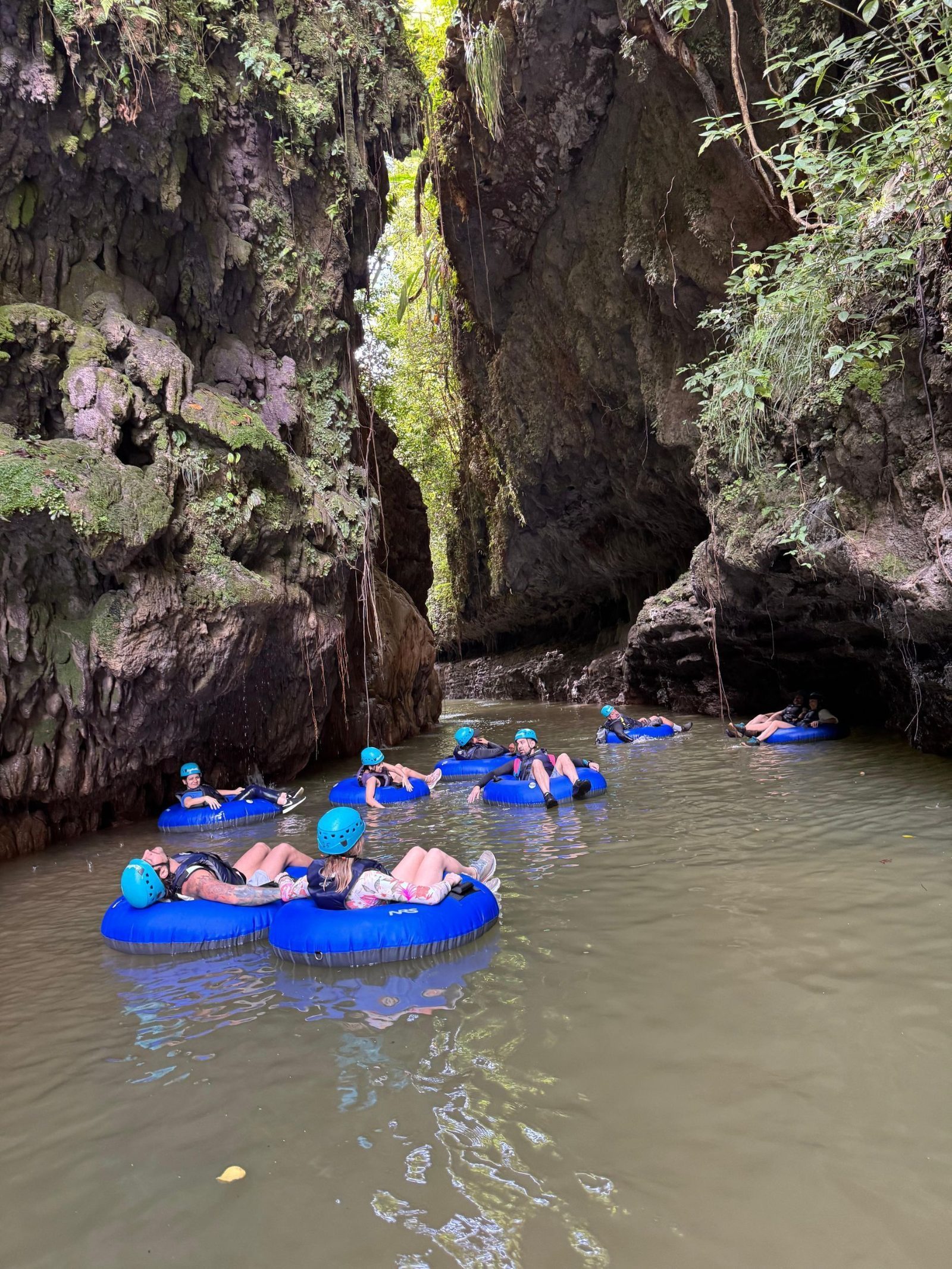
The Tanama River system flows through karst terrain where water levels can rise three feet in under twenty minutes during heavy rain. That geological reality shapes every safety protocol enforced by licensed operators. Afternoon thunderstorms between May and November create the majority of hazardous conditions, which is why morning departures between 07:30 and 08:30 are strongly recommended rather than suggested. The river itself maintains a gentle current during dry weather, but the cave passages add complexity: overhead clearance drops to four feet in some chambers, and visibility inside is near-zero without headlamps. Tanama River tubing safety depends on three non-negotiable requirements. First, all participants must wear Coast Guard-approved life jackets for the entire two-hour route, including calm sections. Second, a licensed guide leads every group and monitors real-time weather via radio communication with base operations. Third, tours are cancelled outright when river flow exceeds safe thresholds, regardless of prior bookings. These measures have proven effective—serious injuries are statistically rare when groups follow instructions and avoid alcohol before or during the activity. Physical demands are often underestimated. The experience requires moderate upper-body strength to navigate current, the ability to duck and maneuver through tight passages, and comfort in dark, enclosed spaces. Participants with claustrophobia, limited mobility, or recent shoulder injuries face genuine difficulty. Children under eight are excluded from most operators' itineraries not due to arbitrary policy but because smaller frames struggle with current control and helmet fit. River tubing risks at Tanama are not hypothetical. Flash floods have trapped groups in caves during past seasons, and submerged boulders cause minor head and limb injuries each year. The difference between a managed adventure and a dangerous situation lies entirely in preparation: checking weather forecasts the morning of your tour, arriving during the recommended window, and respecting guide authority when conditions deteriorate. Operators reserve the right to abort mid-route if rain begins, and that decision is based on decades of hydrological observation, not convenience.
“Water levels can rise three feet in under twenty minutes during heavy rain, which is why morning departures are strongly recommended rather than suggested.”
River tubing at Tanama becomes dangerous when visitors ignore fundamental safety protocols or attempt the activity without proper guidance. Most incidents stem from predictable errors that professional supervision prevents.
Going without a certified guide or tour operator
The Tanama River cave system requires professional navigation — currents, low-light passages, and route selection demand trained leadership. Book through an authorized operator rather than attempting independent access.
Wearing sandals, flip-flops, or going barefoot
Water shoes or closed-toe footwear with grip are non-negotiable. Rocky riverbed surfaces and cave floors cause lacerations and lost footing when improper footwear is worn.
Ignoring guide instructions during rapids or cave sections
Guides direct body position, timing, and routing for a reason — deviating mid-route creates collision risk and separates you from the group in low-visibility areas.
Bringing children under the stated age or height minimum
Tour operators enforce age and size restrictions based on current strength and tube fit. Disregarding these thresholds exposes younger participants to genuine hazards they cannot manage.
Tubing after heavy rain without checking river conditions
Elevated water levels and accelerated currents transform a moderate float into a dangerous ride. Confirm tour status directly with the operator before traveling to the site.
Tour operators provide helmets and life jackets, but personal preparation reduces risk on the water.
The Tanama River operations follow a set weekly schedule to ensure managed access and safety. Please review the operating hours below to plan your visit accordingly.
Access to the Tanama River environment is managed exclusively through guided tours to ensure visitor safety. While there is no fee to enter the river itself, professional guidance is required for all cave tubing activities.
Verdict: While the river entrance is 0 USD, visitors must pay for a guided tour which varies based on the specific adventure package selected.
The Tanama River facilities are located at Carr. 111, Km 48.4, Bo. Caguana, Utuado, Puerto Rico 00641. Accessing the area by private vehicle or rental car is the most reliable method for reaching this central mountainous region.
PR-111 West to Km 48.4
Direct service to Bo. Caguana from San Juan
Plan to arrive during the best arrival window of 07:30–08:30. Traveling during these early hours reduces exposure to typical afternoon rainfall, which is a significant factor in managing river safety risks.
Everything you need to know about is river tubing dangerous
When conducted with authorized professional guides, river tubing in the Tanama River is managed to minimize environmental and physical risks. Visitors must adhere to all guide instructions and wear provided safety equipment to ensure a secure experience.
Certified adventure operators use established protocols for all water excursions, including the use of life jackets and helmets. This structured approach helps address concerns regarding whether is river tubing dangerous by monitoring water levels and currents throughout the day.
Beginners can safely enjoy the experience by booking a guided tour that provides proper equipment and instruction. While the natural environment presents inherent challenges, guided supervision significantly reduces the risk for those asking is river tubing dangerous.
Environmental factors such as flash floods and changing water conditions are common risks in tropical river systems. Staying informed about local weather patterns and following expert advice is the most effective way to navigate these hazards.
Cave tubing involves navigating through subterranean karst formations, which requires specific safety gear and expertise. Because of these complex geological features, guided access is mandatory to maintain safety standards throughout the cave system.
Yes, arriving during the recommended window of 07:30–08:30 is essential to avoid potential afternoon rains. This helps maintain stable water conditions, reducing the variables that might lead a visitor to wonder if is river tubing dangerous.
To ensure a safe visit, you should always book your tour through an official provider and follow all guidelines provided at the site. Proper preparation and adhering to the 07:30–16:00 operating schedule contribute to a secure and enjoyable outdoor adventure.